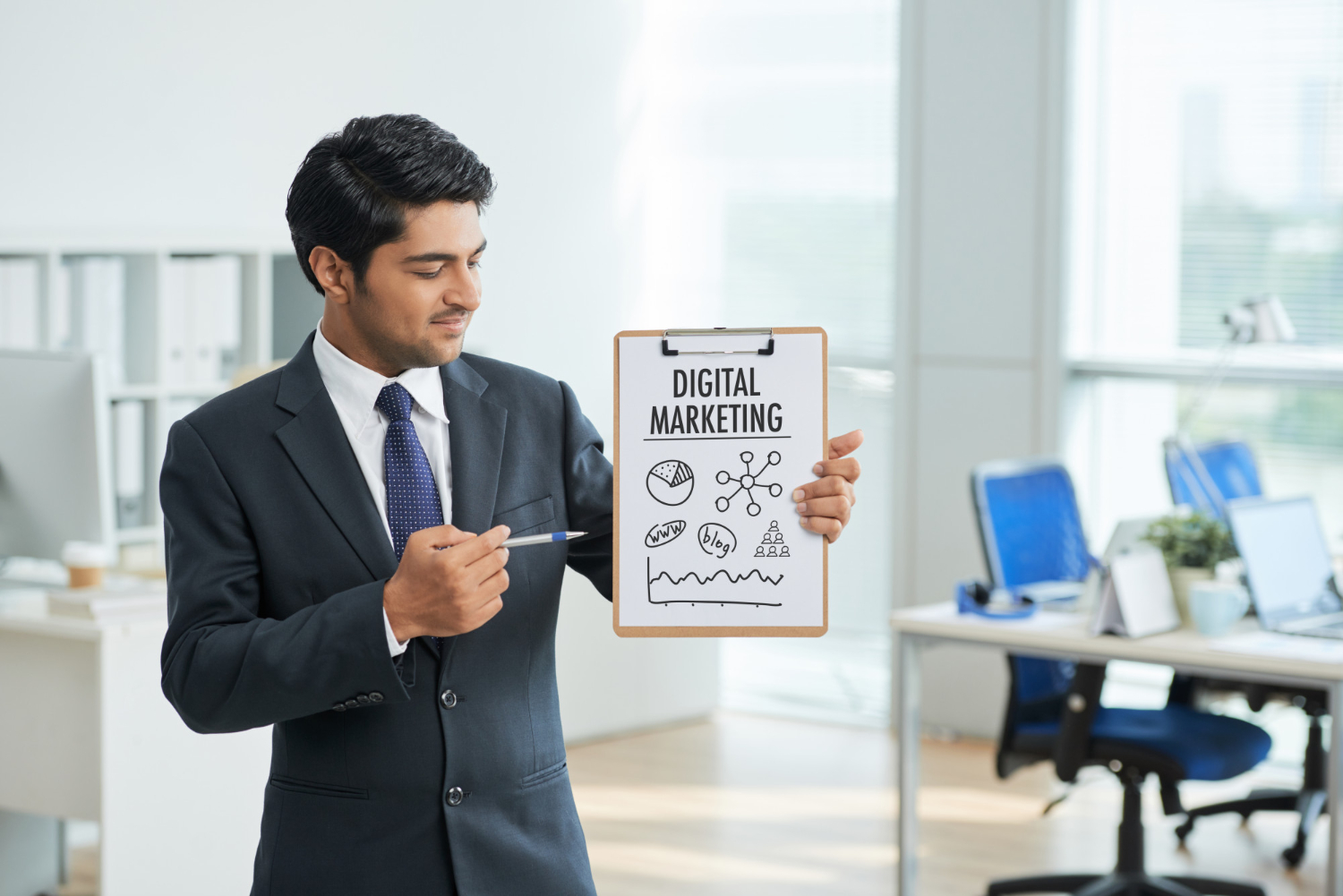
What is Digital Marketing? A Beginner’s Guide
In today’s digital-first world, the way businesses connect with their audience has transformed dramatically. Digital marketing has become the cornerstone of modern business strategies, helping brands reach, engage, and convert audiences like never before. But what exactly is digital marketing, and how can you leverage it? Let’s dive in!
What is Digital Marketing?
Digital marketing refers to any marketing efforts that utilize the internet or electronic devices to promote products, services, or brands. Unlike traditional marketing methods, which rely on mediums like TV, radio, and print, digital marketing leverages online platforms, social media, search engines, and email to reach a targeted audience.
In simpler terms, if you’re using a device connected to the internet to promote something, you’re engaging in digital marketing.
Why is Digital Marketing Important?
- Global Reach:
Unlike traditional marketing, digital marketing allows businesses to reach customers beyond geographical boundaries, opening up global markets. - Cost-Effective:
With options like social media and email marketing, businesses can reach a wider audience at a fraction of the cost of traditional advertising. - Targeted Advertising:
Digital marketing platforms provide advanced targeting tools, allowing businesses to reach specific demographics, interests, and even behaviors. - Measurable Results:
Unlike traditional marketing, where gauging ROI can be tricky, digital marketing provides precise analytics, making it easy to measure the success of campaigns. - Engagement:
Digital marketing fosters two-way communication. Customers can like, share, comment, and even message brands directly, leading to a more interactive relationship.
How Does Digital Marketing Work?
Let’s break it down:
- Define Goals:
Determine what you want to achieve – brand awareness, lead generation, website traffic, or sales. - Know Your Audience:
Understand who your target audience is, where they spend their time online, and what type of content resonates with them. - Choose the Right Channels:
Based on your audience’s preferences, choose channels like SEO, social media, or email marketing to connect with them. - Create Engaging Content:
Craft compelling content that speaks to your audience’s needs and aligns with your goals. - Analyze and Optimize:
Use tools like Google Analytics or social media insights to track performance and make adjustments for better results.
Getting Started with Digital Marketing
If you’re new to digital marketing, here are a few steps to kickstart your journey:
- Build an Online Presence: Create a professional website and set up profiles on relevant social media platforms.
- Learn the Basics: Explore free resources like Google’s Digital Garage or HubSpot Academy to understand the fundamentals.
- Experiment and Learn: Try small campaigns on platforms like Google Ads or Facebook Ads. Analyze the results to see what works.
- Stay Updated: Digital marketing evolves rapidly. Follow industry blogs and attend webinars to keep your skills sharp.
Key Components of Digital Marketing
- Search Engine Optimization (SEO)
SEO is the process of optimizing a website to rank higher on search engine results pages (SERPs). This involves using keywords, improving website structure, and creating quality content to attract organic traffic. - Content Marketing
Content marketing focuses on creating and sharing valuable, relevant content to attract and retain a target audience. Blogs, videos, infographics, and eBooks are popular forms of content marketing. - Social Media Marketing (SMM)
Social media platforms like Facebook, Instagram, LinkedIn, and Twitter are powerful tools for connecting with audiences. Businesses can run ads, post updates, and build a community of loyal followers. - Pay-Per-Click (PPC) Advertising
PPC involves running ads on platforms like Google Ads or social media, where advertisers pay each time someone clicks on their ad. It’s a great way to drive immediate traffic to a website. - Email Marketing
Email marketing remains one of the most effective methods of nurturing leads and maintaining customer relationships. Personalized emails can significantly boost engagement and sales. - Affiliate Marketing
Affiliate marketing involves partnering with third-party individuals or websites to promote a product. Affiliates earn a commission for every sale generated through their referral links. - Video Marketing
With the rise of platforms like YouTube and TikTok, video marketing has become a key strategy for storytelling and audience engagement. - Influencer Marketing:
Brands partner with influencers who have a large, engaged following to promote their products or services. - Analytics and Data:
One of the most powerful aspects of digital marketing is its ability to measure results in real time. Tools like Google Analytics help businesses understand what’s working and what’s not.
Benefits of Digital Marketing
- Improved Conversion Rates
Digital marketing allows for precise targeting, which increases the likelihood of turning leads into customers. - Higher ROI
With better targeting and lower costs, digital marketing often delivers a higher return on investment. - Flexibility
Campaigns can be adjusted in real-time based on performance metrics. - Better Customer Insights
Data collected through digital marketing provides valuable insights into customer behavior and preferences.
Challenges in Digital Marketing
- Competition:
The digital space is crowded, and standing out requires creativity and consistency. - Constantly Changing Trends:
Algorithms and consumer preferences change frequently, so marketers need to stay updated. - Managing Multiple Channels:
Balancing efforts across multiple platforms can be overwhelming without proper planning.
Conclusion
Digital marketing isn’t just an option anymore; it’s a necessity for any business looking to thrive in the modern marketplace. By leveraging the power of digital tools and strategies, businesses can build meaningful connections with their audience, drive engagement, and achieve their goals. Whether you’re a small business owner or a marketing professional, embracing digital marketing is the key to staying ahead in today’s competitive landscape.
Are you ready to take your business online? Start exploring the world of digital marketing today!